PE and Sport
PE is engaging in physical activity, competitive sport and learning how to live healthy, active lives.
Physical Education at St George’s
Vision for PE (Intent)
At St George’s, we aim to provide a broad, balanced and progressive PE curriculum that inspires all pupils to succeed and excel in physical activity. Our vision is to foster lifelong enjoyment of movement and sport, developing confident, resilient, and independent learners who understand the value of health and fitness.
We want every child to:
- Master fundamental movement skills.
- Develop the physical literacy to access a wide range of sports and activities.
- Experience success in both individual and team contexts.
- Recognise the importance of teamwork, respect, and communication.
- Build transferable skills that they can apply across multiple sports and beyond the PE curriculum.
PE Subject Lead- Mr Parker
Long Term Plan
Link Table block is missing information
Key Vocabulary
Throughout their journey, pupils are introduced to, and expected to use, a wide range of physical education vocabulary. Examples include:
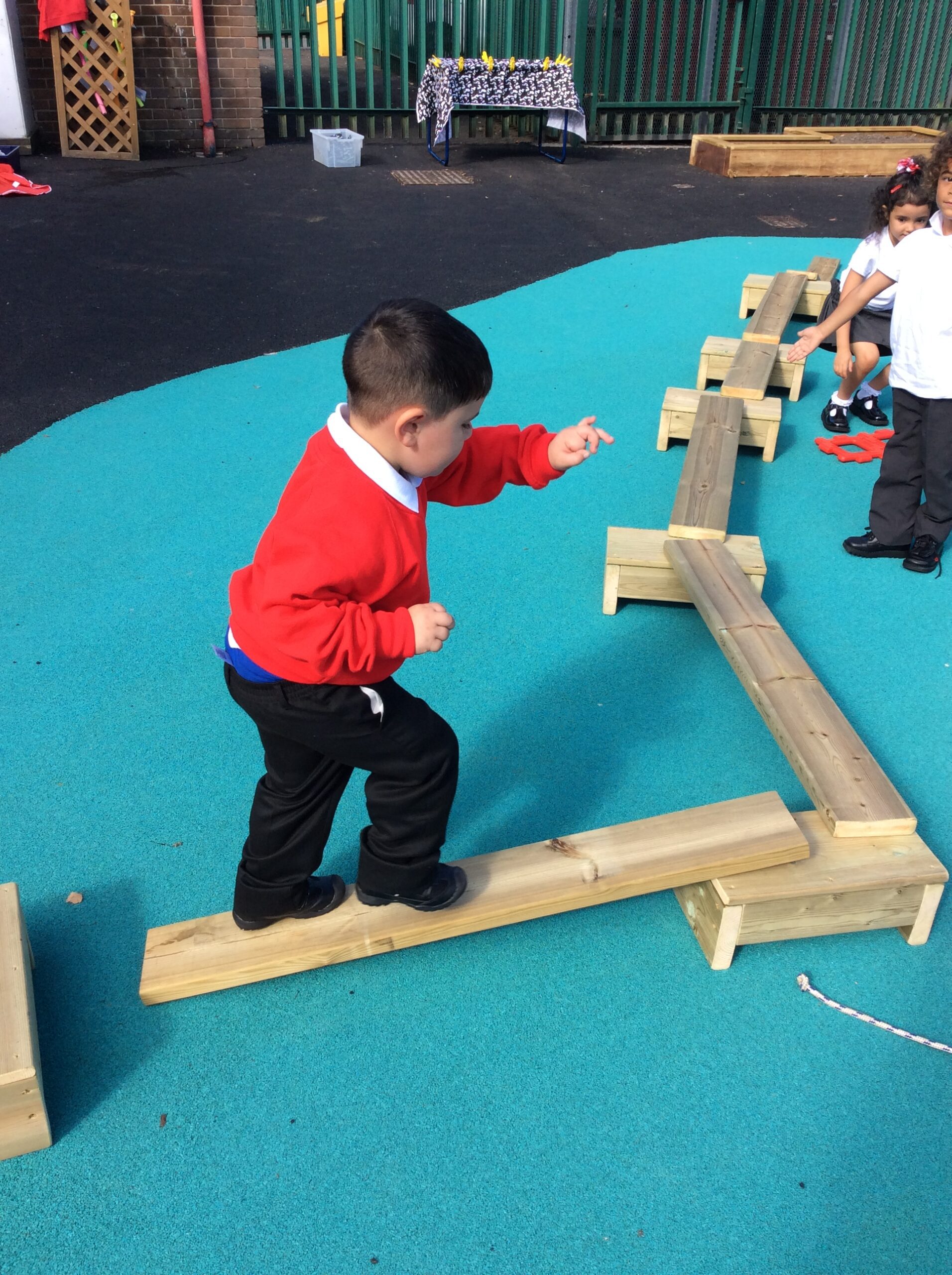
- Fundamental movements: balance, agility, coordination, running, jumping, throwing, catching.
- Games principles: attack, defence, tactics, space, decision-making, communication.
- Sport specific terms: dribble, strike, volley, pass, intercept, pivot.
- Physical development: flexibility, strength, technique, control, endurance.
- Personal and social skills: teamwork, resilience, respect, independence, creativity.
This shared vocabulary enables pupils to articulate their learning, reflect on performance, and make links across activities.
Link Table block is missing information
National Curriculum Aims
Our curriculum fully aligns with the National Curriculum, aiming to ensure that all pupils:
- Develop competence to excel in a broad range of physical activities.
- Are physically active for sustained periods of time.
- Engage in competitive sports and activities.
- Lead healthy, active lives.
At Key Stage 1, children learn to master basic movements and apply them in simple games, as well as perform dances using movement patterns.
At Key Stage 2, children develop these skills in combination, applying them in increasingly complex games, performances, and outdoor challenges, while also learning to swim confidently.
How is PE taught and what does it look like at St. George’s? (Implementation)
What will my child leave St. George’s knowing, understanding and appreciating in PE? (Impact)
PE at St George’s is carefully sequenced to ensure progression, transferability, and coherence.
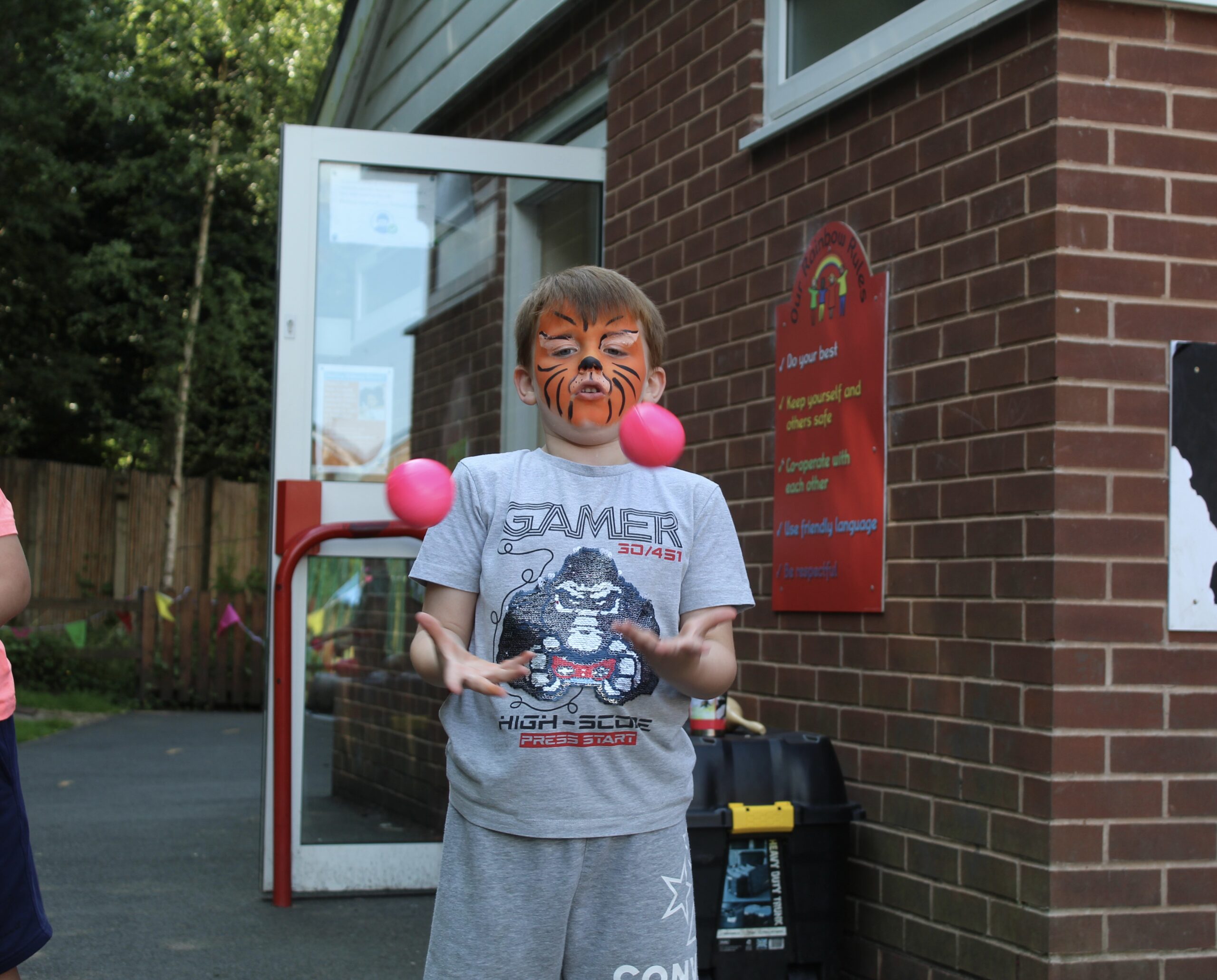
- Building blocks first: In the Early Years and Key Stage 1, fundamental skills (e.g. throwing, catching, balance) are taught in isolation. Pupils gain confidence before applying them in games and performances.
- Progressive sequencing:
- Gymnastics often precedes dance in Key Stage 1, as pupils first build body control before applying creativity.
- Target games (e.g. golf, dodgeball) come before invasion games, as they require fewer tactical decisions.
- Football and basketball are introduced before more complex invasion games like hockey and rugby, to ensure accessibility.
- Cross-sport connections: Striking skills learned in golf are transferred into tennis and rounders; principles of attack and defence are revisited across football, basketball, handball, netball, and rugby.
- Outdoor and Adventurous Activities (OAA): Placed to develop teamwork, resilience, and communication, which underpin success across all other activities.
- Adapting to learners: Staff use flexible planning cycles and repeat units when necessary, enabling reinforcement, extension, and mastery of skills.
In lessons, children are active, engaged, and challenged. They are encouraged to work both independently and collaboratively, applying new vocabulary, reflecting on performance, and striving for improvement.
· Children in specific year groups are given the opportunity to attend swimming lessons throughout the year.
· Children are invited to attend competitive sporting events within the local area. This is an inclusive approach which endeavours to encourage not only physical development but also mental well-being.
· Each year a small group of children are invited to become Sports Leaders for the school. They develop into sporting role models for the younger children and help with organising sporting events.
By the time pupils leave St George’s, they will:
Value sport as a source of enjoyment, self-expression, challenge, and achievement.
Know a wide range of fundamental and sport-specific skills, understanding how to apply them across different sports.
Understand the principles of healthy, active living and the value of physical activity for both physical and mental well-being.
Appreciate the importance of teamwork, respect, communication, and perseverance in sport and in life.
Be prepared with the knowledge, confidence, and competence to access and enjoy PE in secondary school and beyond.
PE Pupil Voice – What do our children think of PE at St. George’s? (Impact)
East Crompton St George’s CE Primary School is proud to be part of the Cranmer Education Trust
Cranmer Education Trust is a company limited by guarantee and an exempt charity registered in England. Company registration number: 07687709. Registered Office: Cranmer Education Trust, c/o The Blue Coat School, Egerton Street, Oldham OL1 3SQ. The website address is www.cranmereducationtrust.com and the phone number 0161 785 5082.